Questions to resolve early
- Matching established brand colors
- Creating giftable product bundles
- Coordinating product and packaging details
Develop private label beauty accessories in textiles: sleep masks, fabric hair accessories and cosmetic pouches for your brand. Coordinate tactile details, colors and gift presentation around the intended customer experience.
Beauty and wellness positioning does not establish medical, therapeutic, hypoallergenic, hygiene or material-performance claims. Any claim must be supported and approved for the applicable product and market.
A beauty accessory can sit against hair, skin, a cosmetic product or the inside of a travel bag, and each context changes the material and construction questions. The brief should state what touches the user or product, how often the item is expected to be used and how the buyer plans to communicate care. Sampling can compare surface feel, seam placement, lining, absorbency direction or wipe-clean expectations without turning those observations into medical, hygiene or material-performance claims.
A screen color, packaging swatch and textile surface may not reproduce identically. Provide approved color references and rank which elements need the closest relationship. Fabric construction, pile, sheen and lighting all affect perception, so the sample review should compare the product with the actual packaging or campaign reference. Fiber, finish, sustainability and care claims remain tied to confirmed documentation from the selected supply.
A sleep mask, headband and pouch may look like one gift set while using different linings, elastics, labels and packing steps. Define the role of each item, the order in which the set is opened and which branding elements stay shared. The sample and pack-out review should check scale, folded dimensions, color coordination and component counts before a quantity or launch schedule is confirmed.
Product starting points
Use these sample examples to discuss function, audience and presentation. Materials, specifications and commercial terms are confirmed for each project.
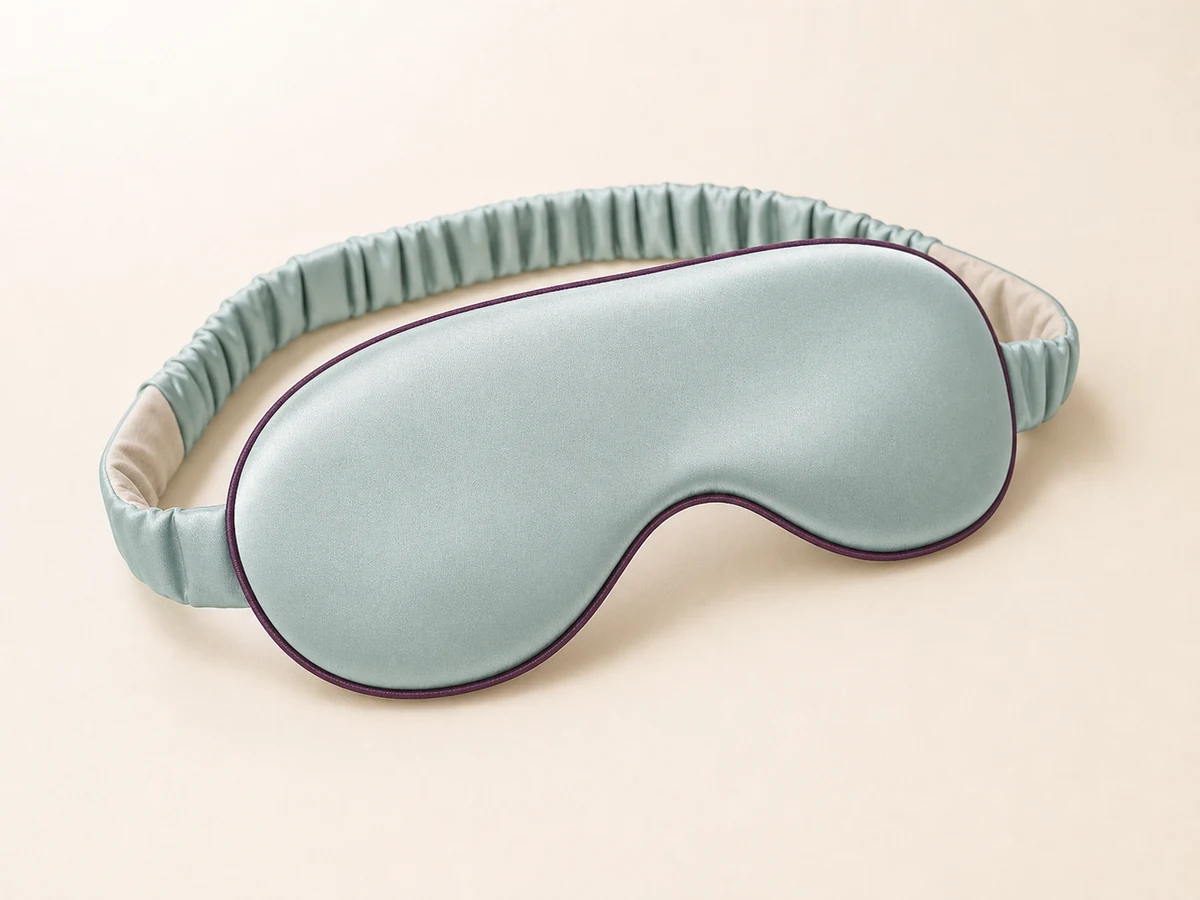
Develop branded sleep masks and coordinated pouches through material, fit, coverage, artwork, packaging and physical-sample review.
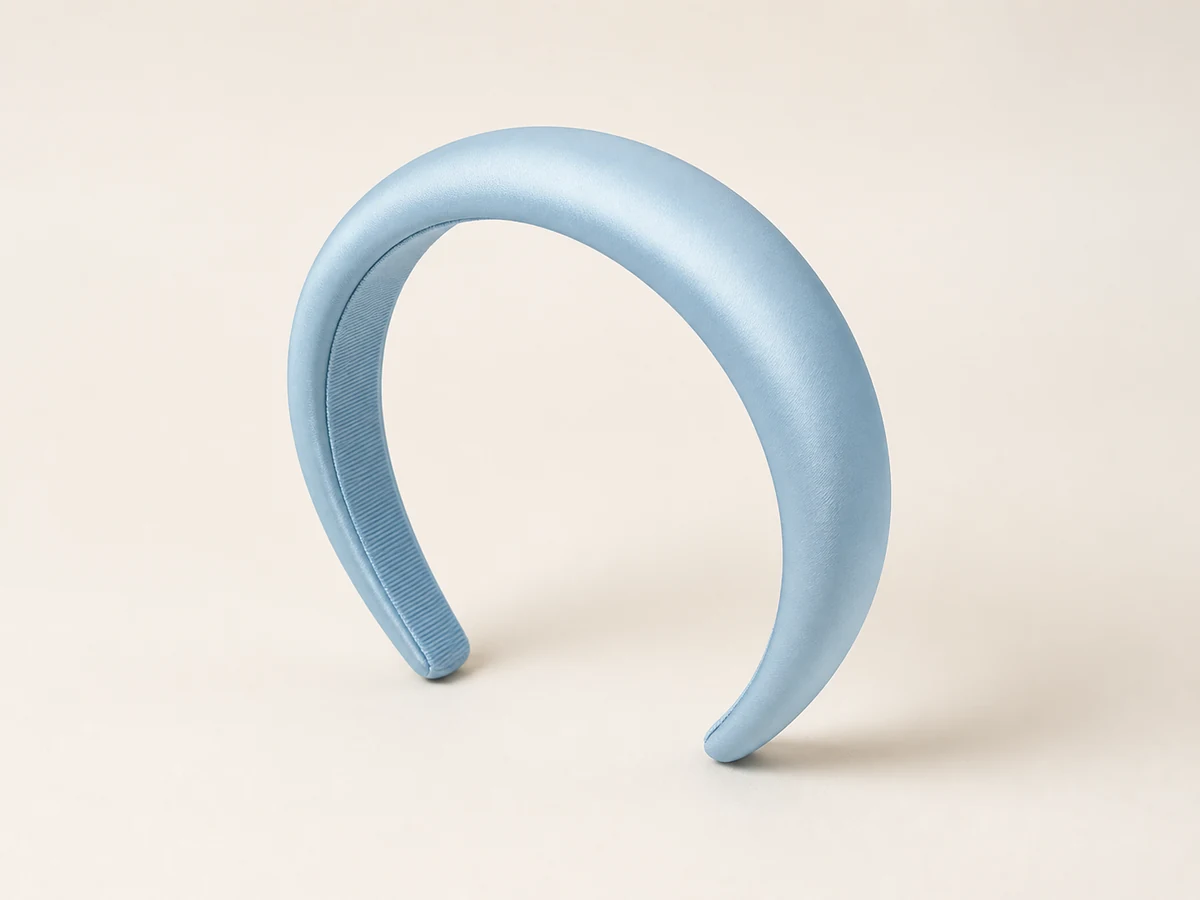
Develop custom fabric hair accessories for brands from a reference or product brief through material, construction and sample review.
Related services
Use the relevant service page to prepare the product, quantity or packaging question that needs review next.
Textile prototyping helps you review a physical product before committing to production. Start with an idea, reference, design or tech pack, then agree which material and construction questions the sample needs to answer.
Labels, packaging and buyer-supplied components are handled as parts of the approved product brief, not as mandatory extras.
Explore whether usable stock or garment offcuts can support a focused textile product after availability, shade and yield are checked.
Industry questions
These answers define useful starting inputs. Final feasibility, claims, quantity and timing come from the reviewed project.
Approved references can guide sourcing and sampling, but textile construction, sheen and supply affect the result. The physical sample should be compared with the actual brand and packaging references.
Only claims supported by the confirmed material, product specification and applicable market requirements should be used. The buyer supplies or approves regulated and market-specific wording.
Yes. Each item still needs its own function, specification and component review, followed by a set-level check for color, scale, packing order and final dimensions.
Share your project
Send a reference, estimated quantity and destination. Start with sourcing, in-house design or production support, with scope and costs agreed before paid work.