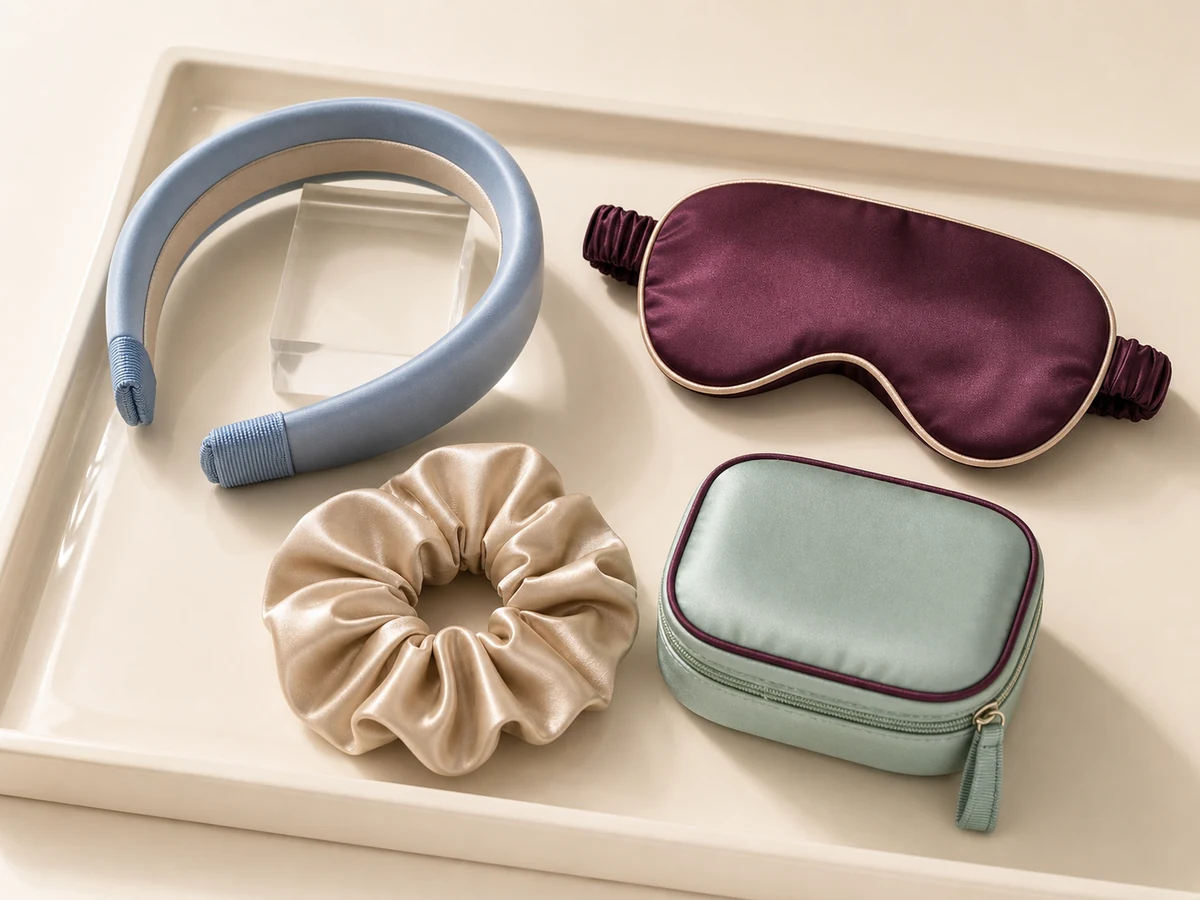
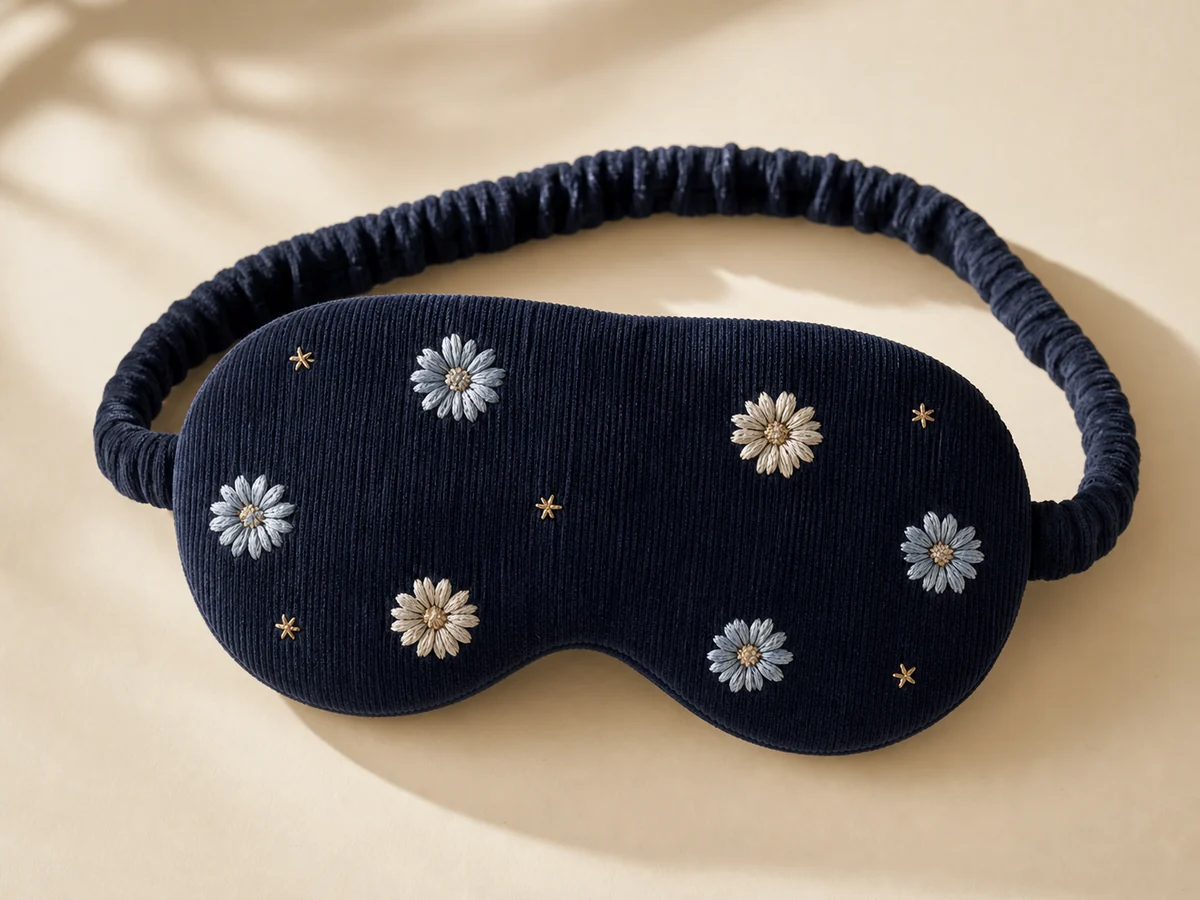
Custom Products for Brands and Different Customer Experiences
See how custom products for brands change with product function, presentation and collection planning across social commerce, bookish, beauty, boutique, gift-box and hospitality projects.
Choose Custom Products for Brands by Sales and Use Context
Custom products for brands become more useful when industry context changes a real decision. Start with the customer moment, then connect function, presentation, quantity and replenishment to that specific use.
Audience and use moment
Social-commerce and boutique projects often begin with a focused retail test. Bookish, beauty and hospitality projects may place more weight on fit, contact surfaces, authorized artwork or an operating context. State who uses the item and what must happen before choosing materials or decoration.
Display and pack-out
A subscription box has fixed internal geometry and a kitting deadline. A boutique may need shelf-ready orientation and case-pack information. A hotel or spa program may distribute by property or guest moment. Share the real presentation path so packaging is reviewed with the product.
Opening quantity and repeat logic
A limited drop, wholesale capsule and multi-property program allocate units differently. Show the proposed split by SKU, color, box version or destination, then define what evidence would support a repeat. Material availability, supplier minimums and production scheduling are confirmed separately.
A useful industry brief
Make Five Inputs Specific Before Requesting a Sample
The industry page supplies context; the project brief supplies the actual product and approval inputs.
An industry label does not decide the product on its own. Two beauty brands can need different contact surfaces and care directions; two subscription boxes can have different internal dimensions, inserts and kitting windows; two hotels can operate different retail or amenity programs. Share the actual customer path and mark every assumption that still needs sample, supplier or market review. That prevents a category description from becoming an unsupported material, quantity, timing or performance promise.
Intended customer, use moment and selling or distribution channel
Product function, dimensions and the first sample question
Authorized artwork, branding and market-specific information
Planning quantity split by color, SKU, box or destination
Presentation, pack-out, receiving and repeat-order context
Spulora reviews product development and sourcing coordination for the confirmed brief. Materials, claims, quantities, timing, contracting party and commercial terms remain project-specific.
Share your project
Tell us what you want to source or make
Send a reference, estimated quantity and destination. Start with sourcing, in-house design or production support, with scope and costs agreed before paid work.