Questions to resolve early
- Meeting box dimensions
- Keeping sets visually coordinated
- Planning labels and insert cards early
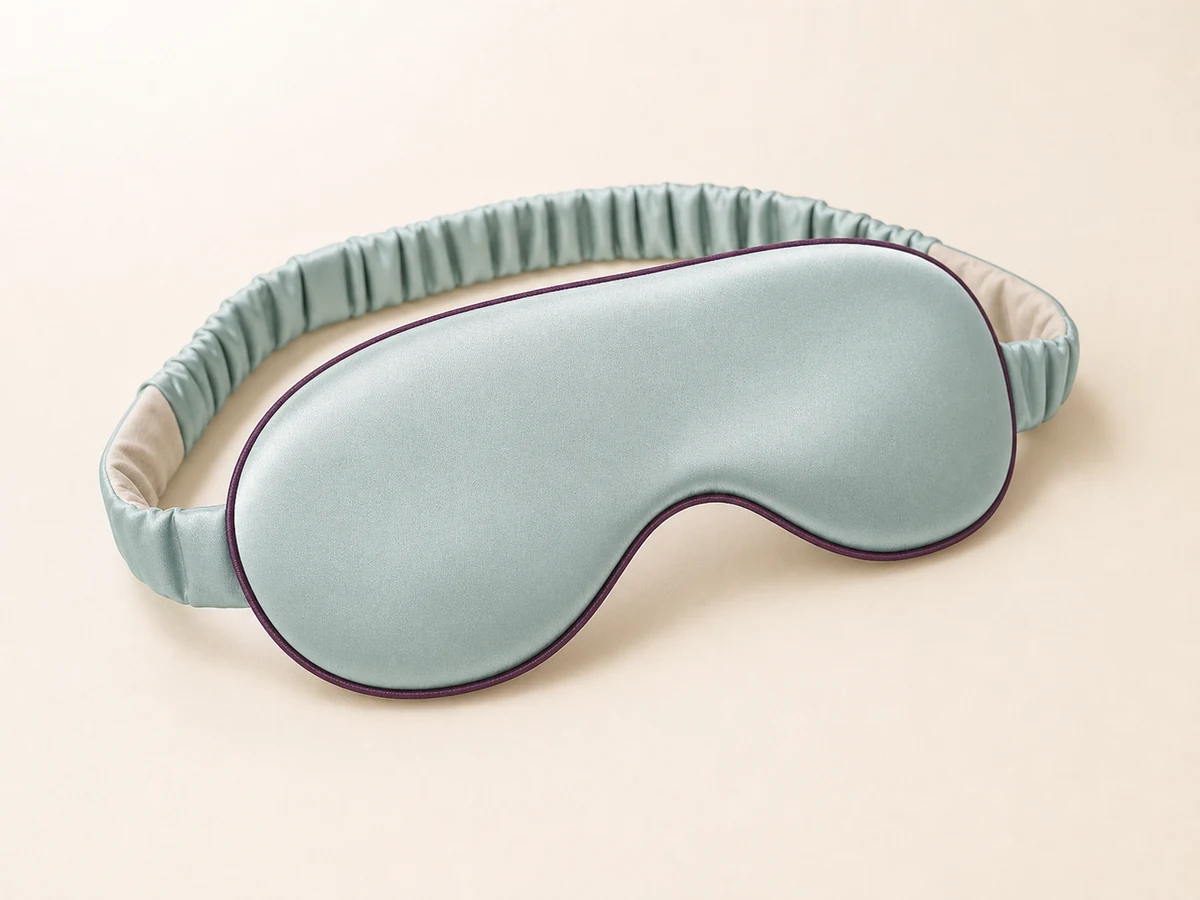
Develop custom products for subscription boxes and gift sets, focusing on the sewn accessories inside the box. Plan sleep masks, pouches and coordinated pieces around the theme, usable space, packing sequence and audience.
A sewn accessory must fit the real internal box dimensions after other products, dividers and protective materials are included. Share the usable length, width and depth plus the order in which the customer should see and remove each item. The product sample can then be reviewed folded, rolled or laid flat with the intended packaging. An attractive standalone item can still fail the box plan if it creates excess height or hides the theme card.
Subscription programs may use different themes, regions or recipient messages while sharing one sewn product. Map product units to each box version and list every insert, label, barcode, pouch or card that changes. Variable data needs an approval owner and controlled source. Component counts, acceptable replacements and the treatment of unused buyer-supplied materials should be agreed before kitting starts. Use one approved version table to connect every changing component with its box quantity and destination.
The box dispatch date is not automatically the sewn-product production date. Sampling, artwork approval, component sourcing, packing, transport to the kitting point and receipt checks all occur before final assembly. Share the required handoff location and window during review, then confirm the applicable schedule after product, quantity and packaging scope are stable. A marketing calendar alone is not evidence that the full plan is feasible. Include the receiving contact, carton identification and the latest acceptable arrival condition in the brief. If the program has multiple box waves, distinguish the approved common product from inserts or packaging that change by shipment. Record late-change responsibility and the fallback for an unavailable variable component.
Product starting points
Use these sample examples to discuss function, audience and presentation. Materials, specifications and commercial terms are confirmed for each project.
Related services
Use the relevant service page to prepare the product, quantity or packaging question that needs review next.
Labels, packaging and buyer-supplied components are handled as parts of the approved product brief, not as mandatory extras.
Small batch production planning for emerging brands testing sewn accessory ideas without treating one low quantity as a blanket promise.
Textile prototyping helps you review a physical product before committing to production. Start with an idea, reference, design or tech pack, then agree which material and construction questions the sample needs to answer.
Industry questions
These answers define useful starting inputs. Final feasibility, claims, quantity and timing come from the reviewed project.
Provide usable internal dimensions after dividers, filler and other products are considered, along with the intended orientation and unboxing sequence for the sewn item.
They can when the approved product remains common and variable inserts, labels or packaging are mapped by box version. Counts and approval responsibility still need to be reconciled.
The handoff window is reviewed after sample approval, quantity, components, packaging, production scheduling and transport to the named kitting location are understood. Receipt checks and box-wave differences also need to be visible.
Share your project
Send a reference, estimated quantity and destination. Start with sourcing, in-house design or production support, with scope and costs agreed before paid work.