Questions to resolve early
- Comfort and repeatable finishing
- Brand-consistent presentation
- Clear care and pack-out requirements
Explore private label hotel amenities such as sleep masks, spa headbands, travel pouches and giftable soft goods for guest retail or selected amenity programs.
Hospitality and spa positioning does not establish medical, therapeutic, hygiene, laundering, durability or service-life performance. Applicable requirements and evidence remain specific to the product, property and market.
Private label hotel amenities, guest-retail sleep masks and welcome gifts can look similar but have different presentation, replacement and care expectations. Identify who receives the item, whether it is retained or reused, how staff present it and what information accompanies it. The project review can then focus on the applicable product and service context rather than treating one hospitality label as a complete specification.
Material feel, seam position and fit are checked on the physical sample for the intended user experience. Cleaning or laundering expectations require separate buyer review against the confirmed material, construction and operating process. Logo placement, color, pouch, card and room presentation can then be assessed without turning a visual sample into a hygiene, therapeutic, durability or service-life guarantee.
A program may allocate products by room, treatment, retail point, property or opening phase. Share the proposed unit split, receiving locations, pack format and who controls replacement stock. Replenishment should reference the approved product and component versions, but material availability and scheduling are rechecked for each order. Record property-specific labels or cards separately so one variable component does not become an undocumented product change. No universal MOQ or lead time is implied by a previous sample or property rollout.
Product starting points
Use these sample examples to discuss function, audience and presentation. Materials, specifications and commercial terms are confirmed for each project.
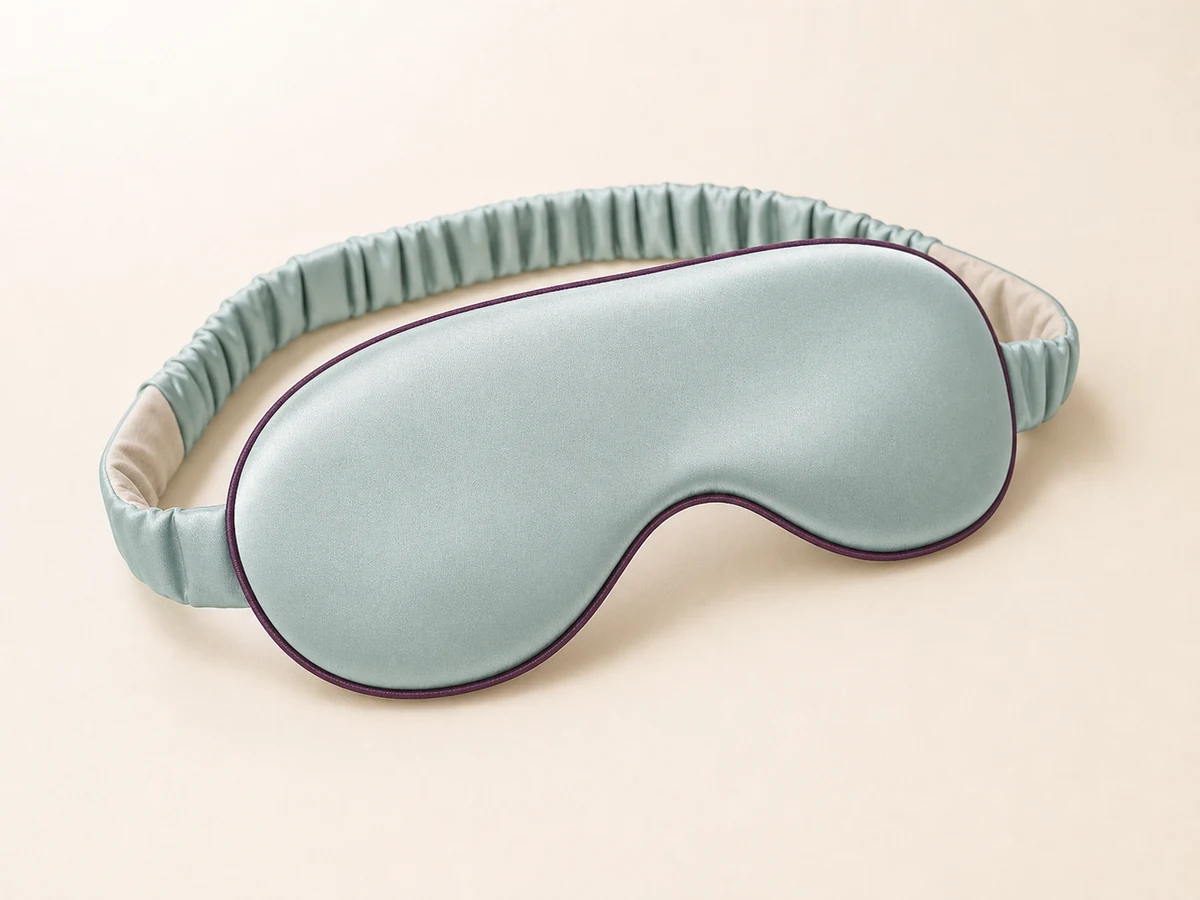
Develop branded sleep masks and coordinated pouches through material, fit, coverage, artwork, packaging and physical-sample review.
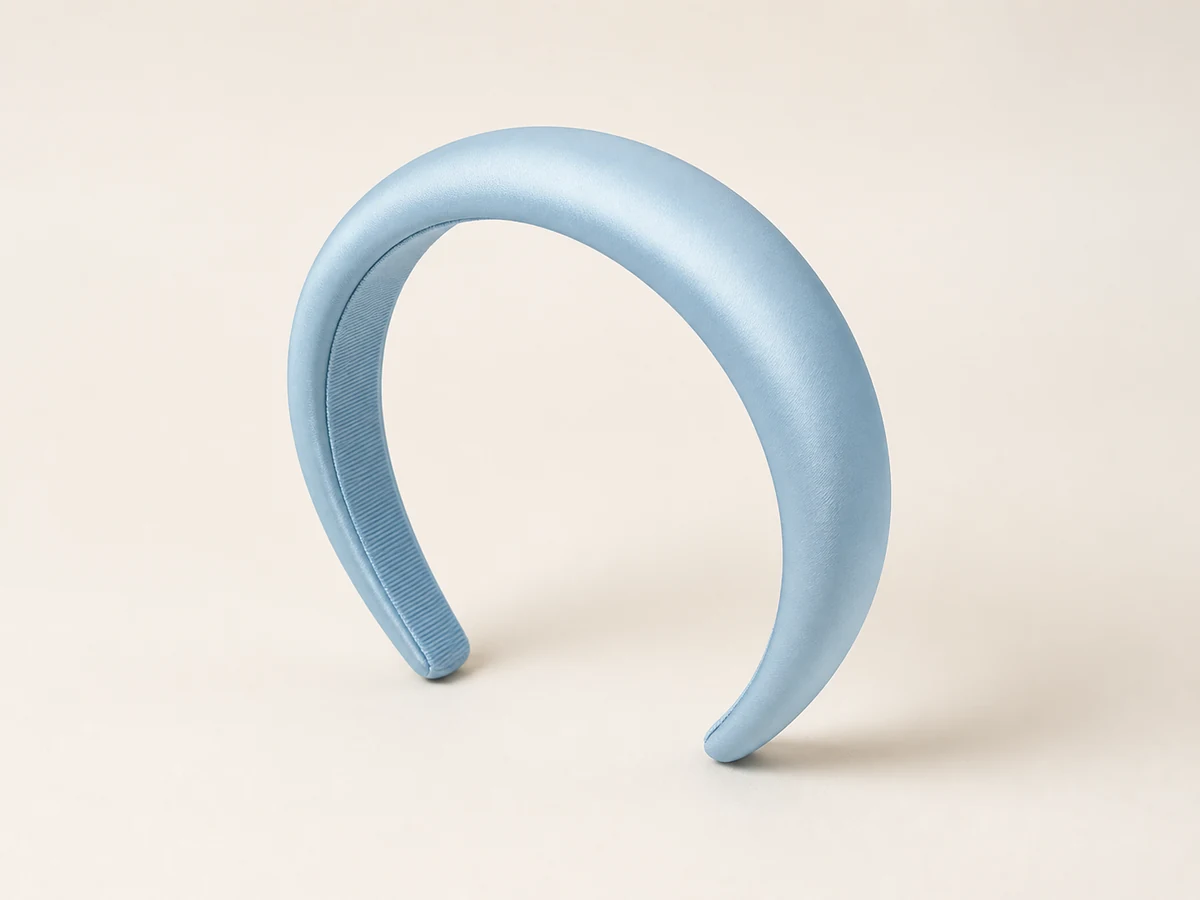
Develop custom fabric hair accessories for brands from a reference or product brief through material, construction and sample review.
Related services
Use the relevant service page to prepare the product, quantity or packaging question that needs review next.
Textile prototyping helps you review a physical product before committing to production. Start with an idea, reference, design or tech pack, then agree which material and construction questions the sample needs to answer.
Labels, packaging and buyer-supplied components are handled as parts of the approved product brief, not as mandatory extras.
Small batch production planning for emerging brands testing sewn accessory ideas without treating one low quantity as a blanket promise.
Industry questions
These answers define useful starting inputs. Final feasibility, claims, quantity and timing come from the reviewed project.
The guest moment, ownership, presentation, care, replacement, packaging and operating responsibility can differ. The brief should define the specific program before product decisions are approved.
No universal performance claim is made. The buyer identifies the operating and care requirements, and any relevant review or testing is tied to the confirmed material, construction and intended process.
They may share an approved product while using property-level allocation, labels or packaging. Quantities, variable components, receiving points and replenishment are mapped by program.
Share your project
Send a reference, estimated quantity and destination. Start with sourcing, in-house design or production support, with scope and costs agreed before paid work.