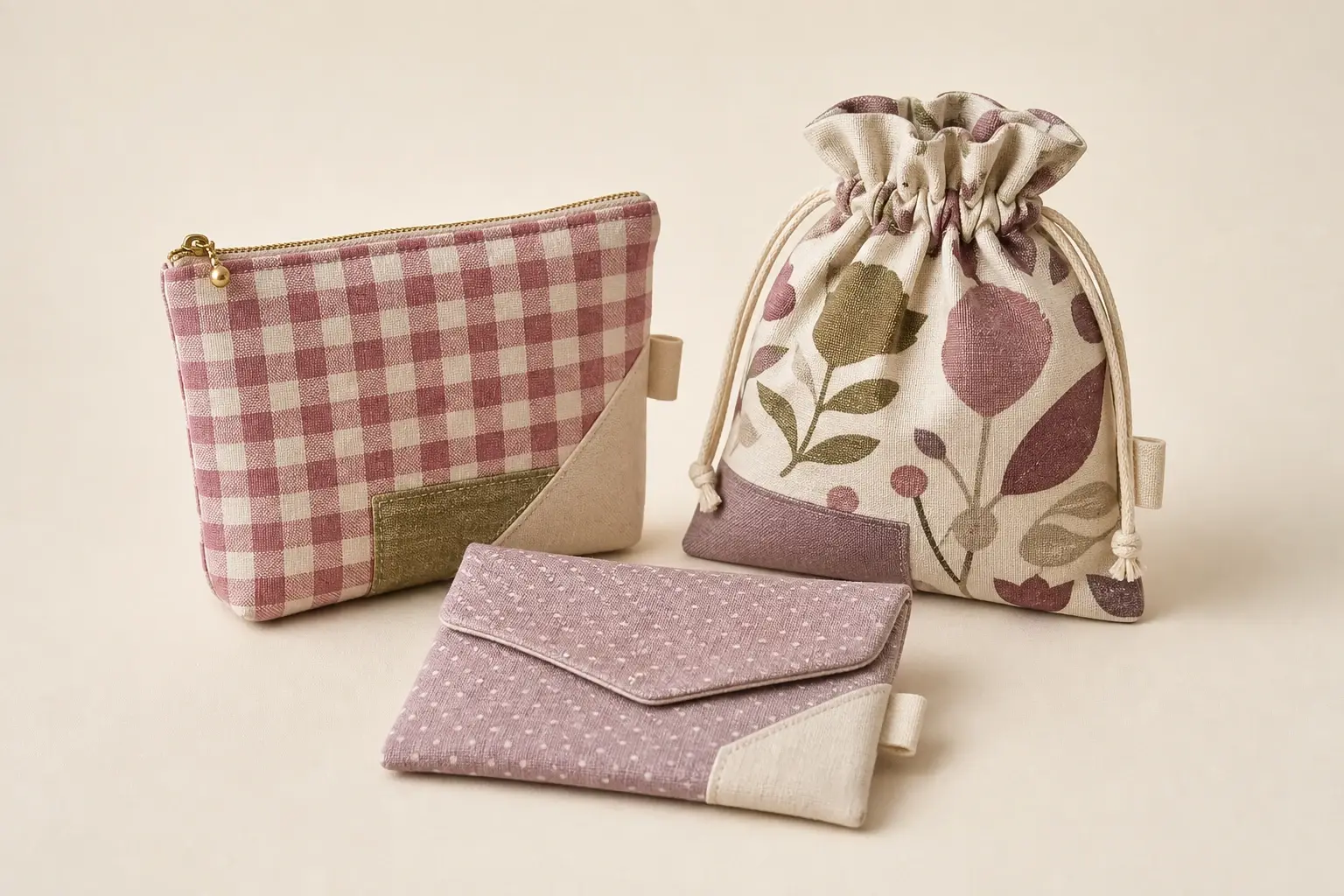
Product Development
Updated 2026/07/24 · 6 min read
How to Write a Small-Batch Sewn Product Brief
Turn an idea, reference image, tech pack or existing sample into a decision-ready brief for sewn accessory sampling and production review.
Read articleRead our soft goods product development blog for practical guides to sewn product briefs, sample reviews and colorway planning before a production order.
Practical reading
Each article focuses on information you can use in a brief, a sample review or a small-batch quantity plan. References and project-specific limits are stated where they matter.
Product Development
Updated 2026/07/24 · 6 min read
Turn an idea, reference image, tech pack or existing sample into a decision-ready brief for sewn accessory sampling and production review.
Read article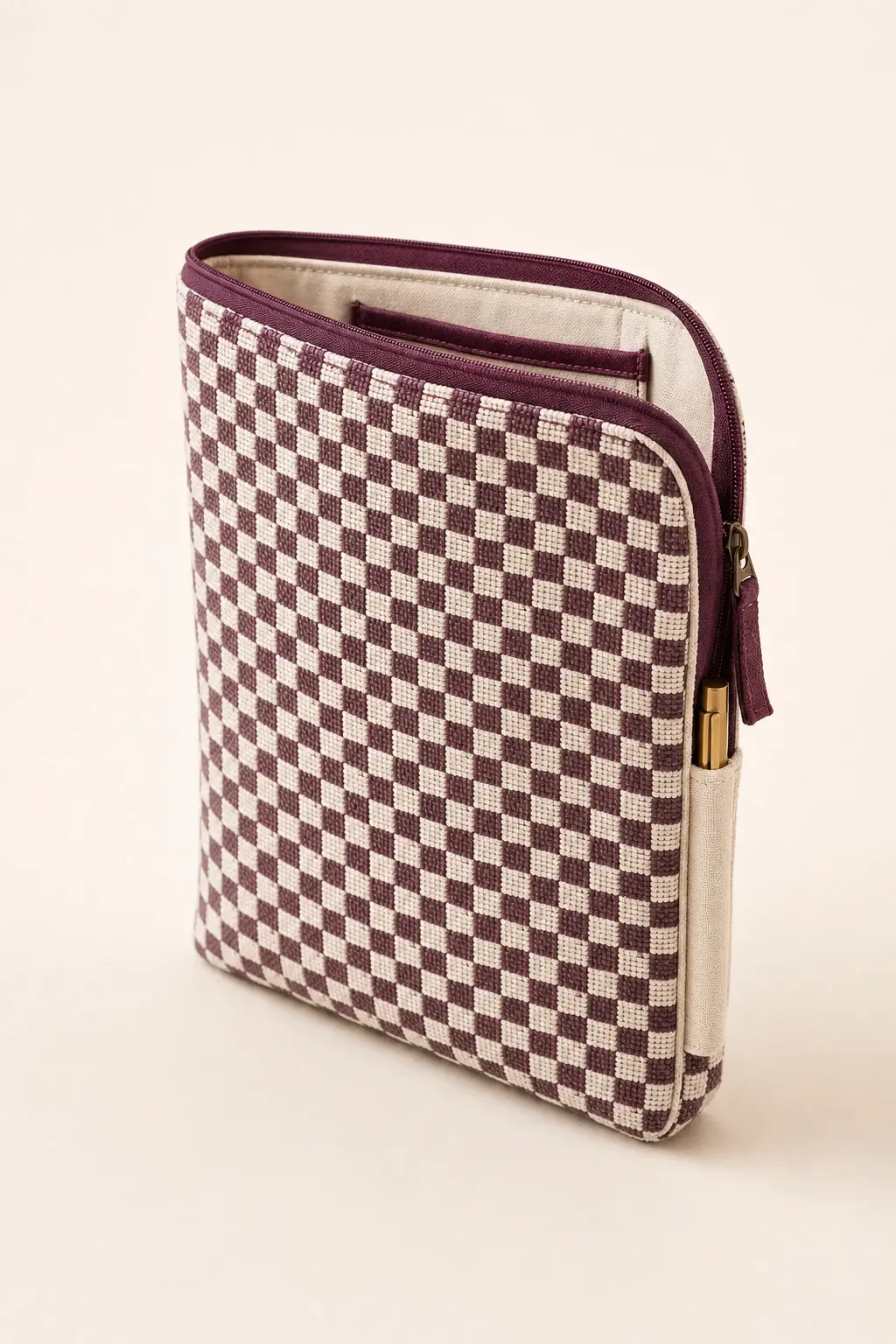
Sampling Guide
Updated 2026/07/24 · 6 min read
A practical checklist for reviewing function, dimensions, materials, branding, packaging and commercial context before a sewn accessory sample.
Read article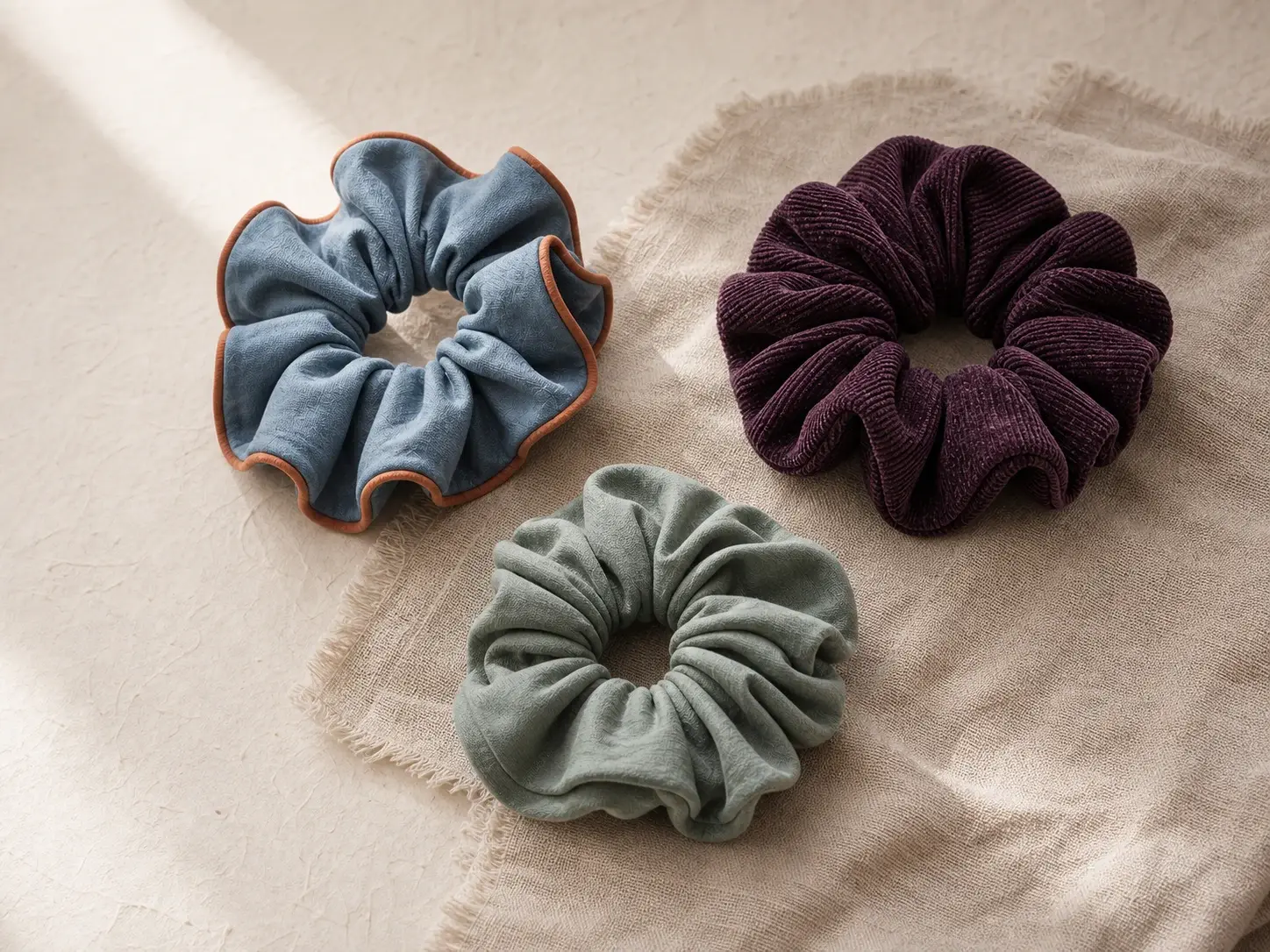
Low MOQ
Updated 2026/07/24 · 6 min read
Use this small batch colorway planning guide to map fabric minimums, trims, cutting, unit cost and production decisions for sewn accessories.
Read articleThis soft goods product development blog follows the practical decisions behind a sewn accessory: what to specify, what to check on a sample and how to plan the first range. Read from your current stage. Each article should leave you with a clearer document or question for the people developing the product.
A useful brief separates intended use, fixed requirements and preferences. Describe the customer experience, dimensions, construction references, material direction, branding and quantity range. Label a reference by the detail it explains. The result should make it possible to discuss the product without guessing whether a picture represents shape, fabric, color or decoration.
Write a sewn product briefCheck the sample against the brief and the specific question it was made to answer. Record observations with photos, measurements and a dated version. Keep material substitutions and unresolved details visible. An attractive sample image does not establish composition, comfort, durability or a final production specification; those require the appropriate review and evidence.
Use the sewn accessory sample checklistOnce the construction direction is clearer, map units and material needs by color. Check whether trims, labels and packaging can be shared and which components have separate minimums. The output is a colorway plan with supplier questions attached. A total order quantity alone cannot show the purchasing risk of several custom-colored components.
Plan a small batch color rangeIf the brief still needs artwork, appearance, sewing patterns or a tech pack, our in-house designers can review that scope. If the design is defined but a physical question remains, a sample may be the next step. Written deliverables, revision rounds and fees are agreed before paid work. Reading a guide or commissioning a design does not commit you to a bulk order.